Understanding the Eastern Churches
Oriental Orthodox, Orthodox, Catholic — the names can confuse. Yet these ancient Churches share one apostolic faith, and the hope of one day sharing one cup.
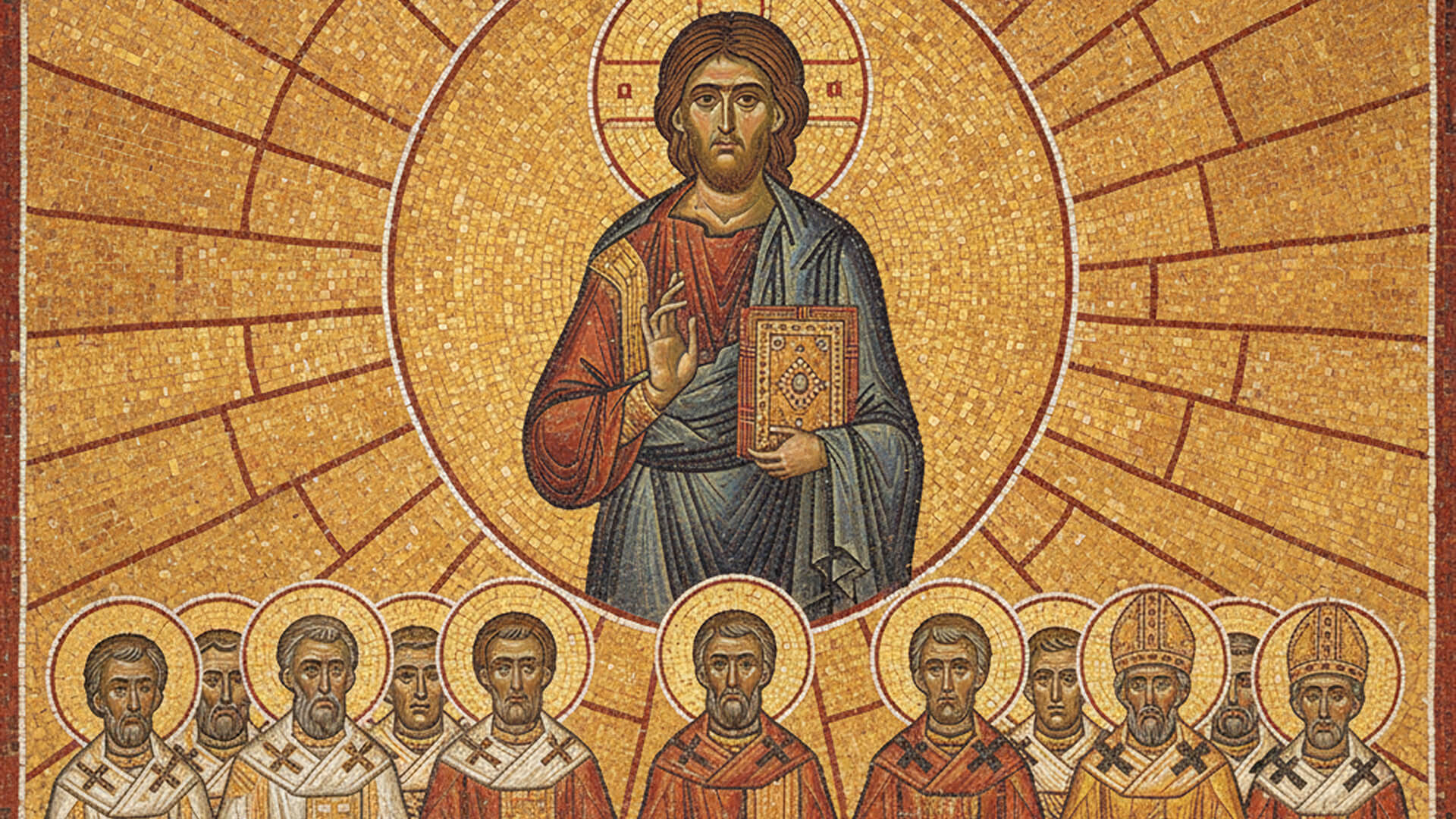
Once we have seen where the Eastern Churches came from and how they spread, the many names can still bewilder us. Let me sort them out simply. The Eastern Churches can be gathered into three families, all of them born from the apostolic Church I described in The Eastern Churches: A Historical Overview.
Three Families of Eastern Churches
- Oriental Orthodox — among them the Coptic Orthodox, Ethiopian Orthodox, Armenian, and Syriac Orthodox Churches.
- Orthodox — the Greek, Russian, Ukrainian, Georgian, Bulgarian, and Romanian Churches, among others.
- Catholic — every Eastern Church in full communion with Rome, including the Maronite, Melkite, Coptic, Chaldean, Armenian, Greek, and Ukrainian, and several more.
Many of these communities emerged from the great patriarchal cities — the churches that grew out of Antioch, and the Byzantine Churches spread across the world — as I traced in The Spread of Christianity. The Eastern Catholic Churches share the one Catholic faith, acknowledging the primacy of the Pope while lovingly preserving their own traditions and practices.
Orthodox and Catholic: The Heart of the Difference
The main difference between the Eastern Orthodox and the Eastern Catholic Churches lies in how they regard the authority of the Pope. Most Eastern Catholic Churches are governed by a Synod of bishops while remaining in communion with the Holy Father. The Orthodox Churches recognize the authority of their own bishops alone. Very often this difference arose from politics, culture, and language rather than from any true disagreement in doctrine — the same forces that first divided the ancient cities.
A Hope for Unity
It is my prayer that in the years ahead the union of the Orthodox and Catholic Churches may be realized once more. The Second Vatican Council marked a turning point when it invited Eastern Catholic bishops to take part. Its Decree on the Eastern Churches honored the ancient heritage of these communities, teaching that their traditions reach back to the early Church Fathers and belong to the undivided, divinely revealed inheritance of the whole Church.
The same Council taught that these Churches “are consequently of equal dignity, so that none of them is superior to the others as regards rite.” All the Churches share the same rights and the same duty — to preach the Gospel to the whole world (see Mark 16:15) under the guidance of the Roman Pontiff. The Council urged us to understand, honor, preserve, and nurture the rich liturgical and spiritual traditions of the East, so that the fullness of Christian tradition might be kept whole. The Church, it reminds us, breathes with two lungs, Western and Eastern alike.
A Debt We All Share
Pope St. John Paul II observed that this diversity shows how peoples and cultures are called to unite organically in the Holy Spirit — one faith, one set of sacraments, one governance. The whole Church owes a great debt to the East. Christianity itself was born there; the first seven Ecumenical Councils, which laid the foundations of our theology, were held there. (Those councils gave us the Nicene Creed I write about in The Most Holy Trinity.) The Gospels and many of the Epistles were written in the East, and many of our prayers — the Creed, the Holy, Holy, Holy, the Lamb of God, the Gloria — trace their origin to these Churches.
More than sixteen popes were Eastern, and many early Western missionaries, such as Irenaeus of Lyons, were of Eastern descent. The renewed inspiration flowing from these ancient and apostolic Churches still shapes the Catholic Church today — including the liturgical renewal begun in the Roman Church during the Second Vatican Council in the early 1960s.
Let us never forget that the richness of the Eastern Churches, rooted in the very land where Christ lived, died, and rose again, is a treasure shared by all Christians. The late Ecumenical Patriarch Demetrios I once expressed a hope that stays with me: that all Christians, East and West, may one day gather at a common table and drink from a common cup. There is but one Lord, one faith, one baptism. Dear brothers and sisters, let us pray and live for that day.

Chorbishop Don Sawyer — known warmly as Abouna Don — has spent a lifetime teaching the faith. His gift is making the rich tradition of the Church feel like a conversation across the kitchen table.